Table of Contents
If you’ve been told you have a herniated disc, bulging disc, or sciatica – and surgery has been mentioned as a possible next step – spinal decompression may be worth exploring first. At HealthFirst Chiropractic in Pickerington, non-surgical spinal decompression is available as a conservative treatment option before you consider anything more invasive.
What Is Spinal Decompression?
Spinal decompression is a non-surgical therapy that uses controlled traction to reduce pressure inside the intervertebral discs. The goal is to create conditions that allow the disc to heal – drawing in fluid, nutrients, and oxygen that support tissue repair – without any incision or anesthesia.
During a session, you’re positioned on a motorized traction table. The system applies a precise, controlled pulling force to the spine at specific angles and intervals. This creates negative pressure within the disc, which can help retract herniated or bulging disc material away from nerve roots. For patients with sciatica – leg pain, numbness, or tingling caused by nerve compression – that decompression of the nerve is often what produces relief.
The therapy is gradual. Most patients go through a series of sessions over several weeks, with each session lasting around 30 minutes. It’s not painful. Many patients find it comfortable enough to doze off during treatment.
What Conditions Does It Treat?
Spinal decompression at HealthFirst Chiropractic Pickerington is used for several specific conditions:
Herniated and Bulging Discs
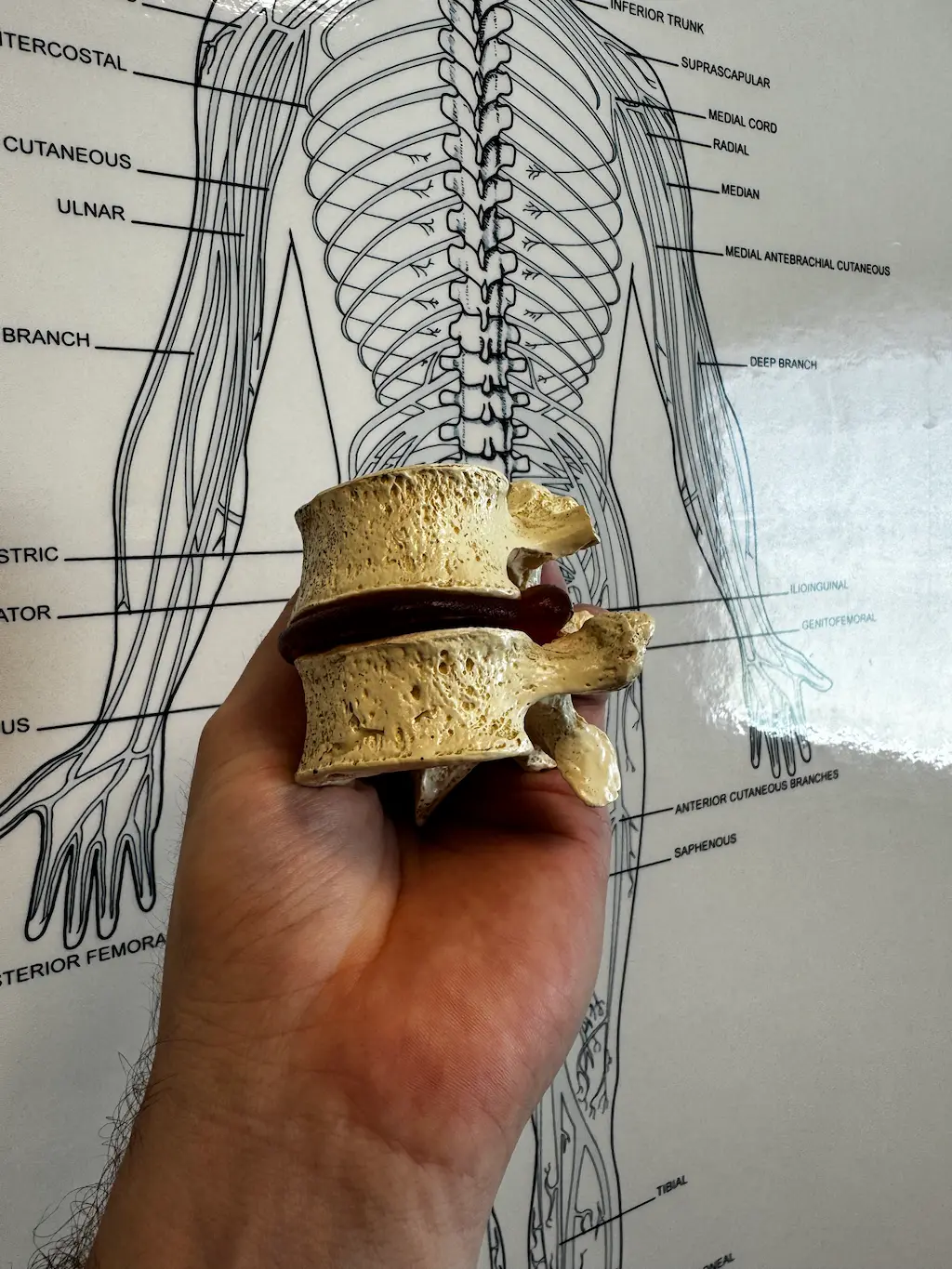
A herniated disc occurs when the inner material of an intervertebral disc pushes through the outer wall and presses on nearby nerve tissue. A bulging disc is a related condition where the disc wall has weakened and expanded outward without rupturing. Both can cause significant pain, numbness, and weakness – especially when they press against spinal nerve roots.
Decompression creates negative intradiscal pressure that can draw herniated material back toward the center of the disc. Over a course of treatment, this allows the disc wall to begin healing and reduces the mechanical pressure on nerve tissue.
Degenerative Disc Disease
As discs age and lose hydration, they become flatter and less able to absorb the load placed on the spine. This can lead to chronic pain, reduced range of motion, and increased susceptibility to nerve compression. Decompression introduces gentle traction that helps maintain disc height and draws in the fluid the disc needs to stay healthy.
Sciatica
Sciatica describes radiating pain that travels from the lower back down through the buttock and into the leg – sometimes all the way to the foot. It’s caused by compression of the sciatic nerve, most often from a herniated disc at L4-L5 or L5-S1. When the disc material pressing on the nerve is reduced through decompression, the nerve has room to recover and the radiating symptoms often diminish.
Spinal Stenosis
Stenosis refers to a narrowing of the spinal canal that puts pressure on the spinal cord or nerve roots. While not every stenosis case is a good candidate for decompression, selected cases respond well – particularly when the narrowing is disc-related rather than purely bony. This is evaluated during the diagnostic process before any treatment begins.
Is Decompression Right for You?
Not every disc problem is a candidate for spinal decompression, and HealthFirst won’t recommend it until the full diagnostic process is complete. That means a consultation, physical examination, and imaging review first. If decompression is appropriate for your case, it will be part of the care plan presented at your result of tests visit.
Some patients are not candidates for decompression. These include patients with certain types of spinal fractures, advanced osteoporosis, spinal fusion hardware, or specific cancer-related conditions. That’s exactly why the diagnostic process matters – treatment recommendations at HealthFirst are based on what the exam and imaging actually show, not on a general intake form.
The Doctors Behind the Care
Spinal decompression at the Pickerington location is led by Dr. Tim Smart, who has specialized training in this therapy. Dr. Smart is a Pickerington native who played football at Baldwin Wallace University before earning his Doctorate of Chiropractic from Palmer College. He holds two advanced fitness and rehabilitation certifications – ACSM Certified Exercise Physiologist (CEP) and NSCA Certified Strength and Conditioning Specialist (CSCS) – which give him a strong foundation in how the body responds to physical stress and recovery protocols.
Working alongside Dr. Smart is Dr. Dennis Schone, who has been in private practice for over 40 years and has built one of the most experienced Gonstead chiropractic teams in central Ohio. His clinical background covers spinal care, rehabilitation, and nutritional wellness – all of which support the comprehensive approach HealthFirst takes with disc patients.
How Decompression Works Alongside Chiropractic Care
At HealthFirst Pickerington, spinal decompression doesn’t exist in isolation. For many disc patients, the best outcomes come from combining decompression with precise Gonstead chiropractic adjustments. While decompression addresses intradiscal pressure and nerve compression, chiropractic adjustments correct the vertebral positioning problems that contributed to the disc injury in the first place.
Cold laser therapy is also available at the Pickerington office and can support disc healing by reducing inflammation at the tissue level and helping the body repair the damaged disc wall more efficiently. When appropriate, these services are coordinated into a single care plan.
When to Consider This Before Surgery
Surgery for disc problems is sometimes the right call – HealthFirst will tell you that directly and refer you out if it is. But many patients who’ve been told surgery may be necessary haven’t fully explored conservative options first. Spinal decompression is one of those options.
The general clinical recommendation is to exhaust conservative care before moving to an invasive procedure, unless there’s an urgent neurological reason to operate quickly – such as loss of bladder or bowel control, or significant progressive muscle weakness. In the absence of those warning signs, a course of non-surgical decompression is a reasonable first step.
If you’re dealing with disc-related pain in the Pickerington area and want to understand whether decompression could help, the first step is a consultation. You’ll leave with a clear picture of what’s happening in your spine and what your options are.
Contact HealthFirst Chiropractic Pickerington at 614-861-1333 or request an appointment online.