
Gonstead Chiropractic Care at HealthFirst Chiropractic
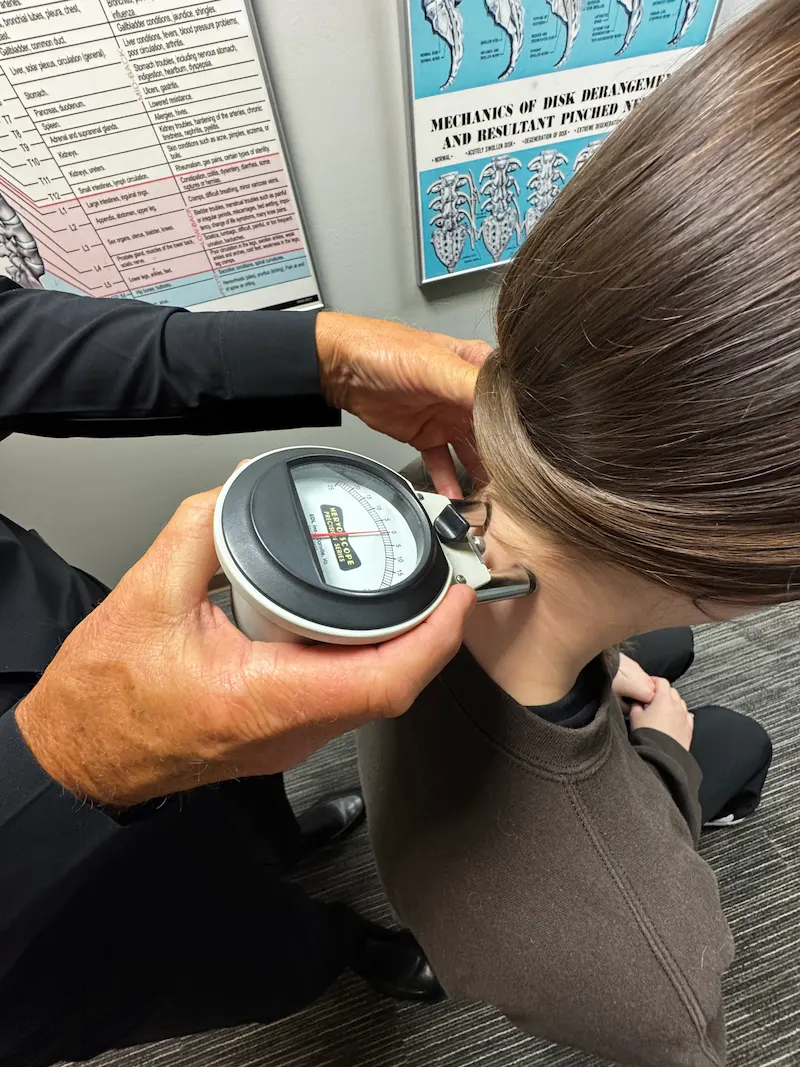
Chiropractic care at HealthFirst is built on the Gonstead system – one of the most precise and thorough approaches in the profession. Our doctors don’t guess at what’s wrong; they find it, confirm it, and correct it.
A chiropractor uses a Nervoscope on a patient's neck, with medical charts in the background.

What Makes the Gonstead Approach Different

Most chiropractic adjustments are based on where the patient hurts. Gonstead is based on what the clinical analysis actually shows. That process tells the doctor exactly which level to adjust, at what angle, and with how much force.
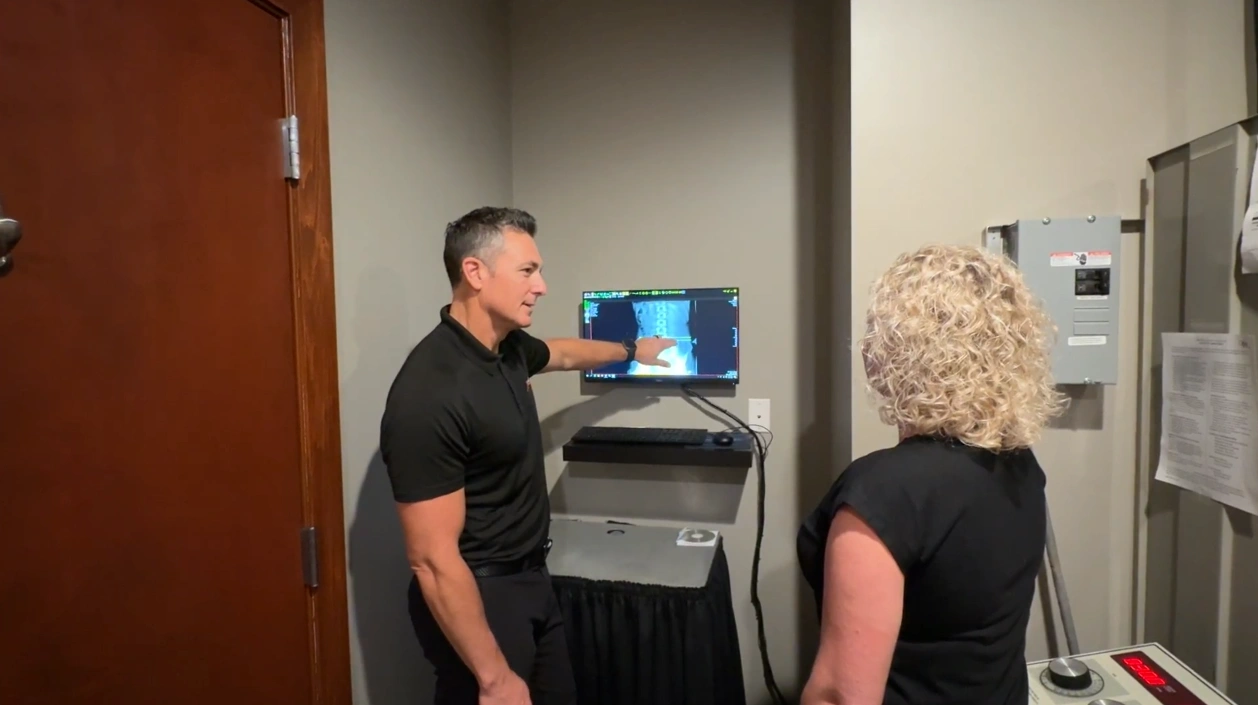
The result is a targeted correction rather than a general treatment. For patients who have been adjusted before without lasting results, that specificity is usually the difference.
A man in a black shirt points at a medical scan on a computer screen while a woman with curly blonde hair looks on.

What are the 5 Components of the Gonstead Technique?

When Dr. Dennis Schone founded HealthFirst he wanted it to be built on the most trusted chiropractic technique in the field – Gonstead. Rather than guesswork, the Gonstead chiropractic technique systematically identifies spinal issues through its 5-step process:

  • Health history
  • Visualization
  • Instrumentation
  • Palpation
  • X-ryas

How We Deliver Care

Our doctors are experienced across a wide range of musculoskeletal and neurological conditions.

Full Spine Gonstead

The foundation of care at both locations. Specific, hands-on adjustments at exactly the level identified through the full analysis – not a general manipulation covering a broad area.

Flexion-Distraction

A gentle table-assisted technique that decompresses the lumbar spine. A good option for acute disc injuries or patients who need a softer approach early in care.

Instrument-Assisted Adjusting

A low-force option for patients who prefer it or where a hands-on adjustment isn’t the right clinical fit.

Extremity Adjusting

Shoulder, elbow, knee, ankle, and other joints adjusted with the same precision we bring to the spine. Chiropractic care at HealthFirst goes well beyond the back.

What to Expect

Your first visit is the consultation and exam. Your doctor runs the full Gonstead analysis and takes digital X-rays on site. At your second visit you get a full result of tests what was found, what we recommend, and what it’s going to take. Your first adjustment happens there after you’ve reviewed and agreed to the plan.

Most patients are seen the same day they contact us. Plan for about 45 minutes at your first visit.

Frequently Asked Questions

Does a chiropractic adjustment hurt?

For most patients, no. The adjustment is typically comfortable and often produces immediate relief. Some mild soreness in the first day or two is normal as the body adapts – similar to how muscles feel after starting a new workout. It usually passes quickly.

What is the cracking sound?

It’s simply gas releasing from the fluid inside the joint as pressure changes – the same thing that happens when you crack your knuckles. It’s completely harmless, and the adjustment works just as well whether you hear it or not.

How many visits will I need?

That depends on your condition and how long you’ve had it. Your doctor gives you a clear timeline at your result of tests visit so you know exactly what to expect. Acute conditions often respond quickly. Chronic or long-standing problems typically require a more structured multi-week plan.

How is Gonstead different from regular chiropractic?

Gonstead requires a full five-part clinical analysis and X-ray confirmation before any adjustment is made. Many chiropractic approaches adjust broadly based on where the patient reports pain. Gonstead adjusts specifically based on what the analysis shows – which level, which direction, how much force.

Do I need to keep coming forever?

No. The goal at HealthFirst is to correct the underlying problem, not manage it indefinitely. Some patients choose ongoing wellness care after their initial treatment – that’s always their call. What we don’t do is keep patients on a schedule once the problem has been resolved.