
Sports and Extremity Care at HealthFirst Chiropractic
Chiropractic care at HealthFirst goes well beyond the spine. Our doctors are trained to assess and treat shoulder, elbow, knee, ankle, and foot injuries with the same precision they bring to spinal care.
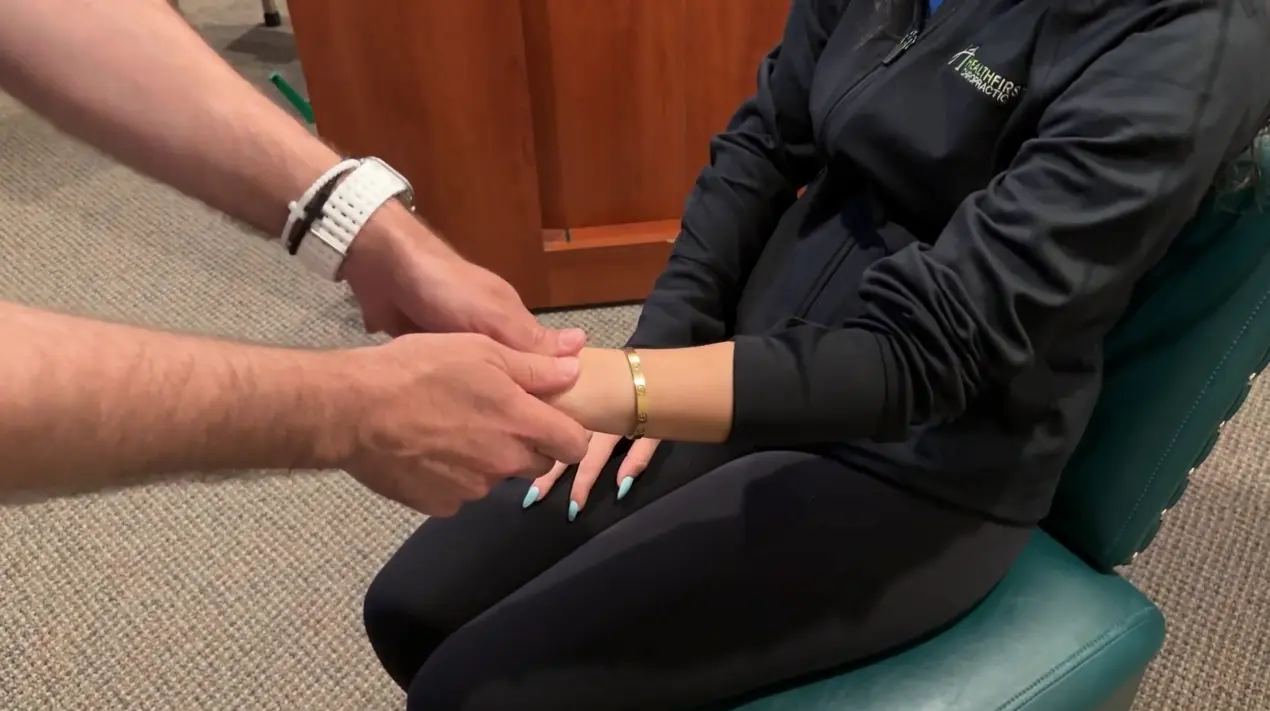
Chiropractic Care for the Whole Body
Most people think of chiropractic as a back and neck treatment. And while spinal care is the foundation of what we do, the joints of the extremities – shoulder, elbow, wrist, hip, knee, ankle, foot – are assessed and adjusted using the same principles. When a joint loses its normal motion or positioning, the surrounding muscles compensate, inflammation builds, and a pain cycle develops that rest alone rarely resolves.
Our doctors also understand the relationship between the spine and the extremities. Shoulder and arm pain often has a cervical component. Hip and knee issues frequently involve lumbar or sacroiliac dysfunction. Treating the extremity without addressing the spinal contribution is one of the most common reasons these conditions keep coming back.
Injuries and Conditions We Treat
Shoulder
Rotator cuff injuries, shoulder impingement, frozen shoulder, AC joint pain, and post-surgical rehabilitation. The cervical spine is assessed as a contributing factor in all shoulder presentations.
Elbow
Tennis elbow, golfer’s elbow, and other overuse conditions of the forearm and elbow. Often involves both local joint dysfunction and referred nerve irritation from the cervical spine.
Wrist and Hand
Carpal tunnel syndrome, wrist sprains, and repetitive strain injuries. Common in desk workers, athletes, and anyone whose hands take a lot of daily load.
Hip
Hip pain, bursitis, and IT band syndrome. The sacroiliac joint and lumbar spine are evaluated alongside the hip in every case.
Knee
Patellar tendinopathy, IT band syndrome, patellofemoral pain, and general knee pain. Biomechanical assessment of the hip, ankle, and foot is included to identify what’s driving the knee problem.
Ankle and Foot
Ankle sprains and instability, plantar fasciitis, Achilles tendinopathy, and heel pain. These conditions respond well to a combination of joint adjusting, soft tissue work, and load management guidance.
Who We See for Sports and Extremity Care
Our patients range from high school and collegiate athletes to recreational players, weekend warriors, and working professionals dealing with repetitive strain. Dr. Jason Schone specializes in sports chiropractic at our Westerville office, and Dr. Tim Smart’s exercise physiology background at our Pickerington office makes him particularly effective with athletic injury and rehabilitation cases.
Frequently Asked Questions About Sports and Extremity Care
Can a chiropractor actually help with shoulder or knee pain?
Yes. Chiropractors are trained to assess and adjust all joints of the body, not just the spine. Extremity adjusting is a well-established part of chiropractic practice and is particularly effective for joint conditions that haven’t responded to rest or physical therapy alone.
How do I know if my shoulder or knee pain is coming from the joint or the spine?
That’s exactly what your evaluation is designed to answer. In many cases it’s both – a cervical or lumbar component contributing to an extremity problem. Our doctors assess the full picture before recommending a course of care.
Do I need imaging before being seen for a sports injury?
No. You can come in without prior imaging and your doctor will assess whether X-rays or a referral for MRI is warranted based on your exam tests.
How long does recovery take for sports injuries?
That varies significantly depending on the injury, how long it’s been present, and how consistently care is received. Your doctor will give you a realistic timeline at your result of tests.
When should a sports injury be seen by an orthopedic surgeon instead?
If your exam tests suggest structural damage that requires surgical intervention – a complete tendon rupture, significant ligament tear, or fracture – we’ll identify that and refer you to the appropriate specialist. Our job is to make sure you’re in the right hands, whatever that looks like.