Table of Contents
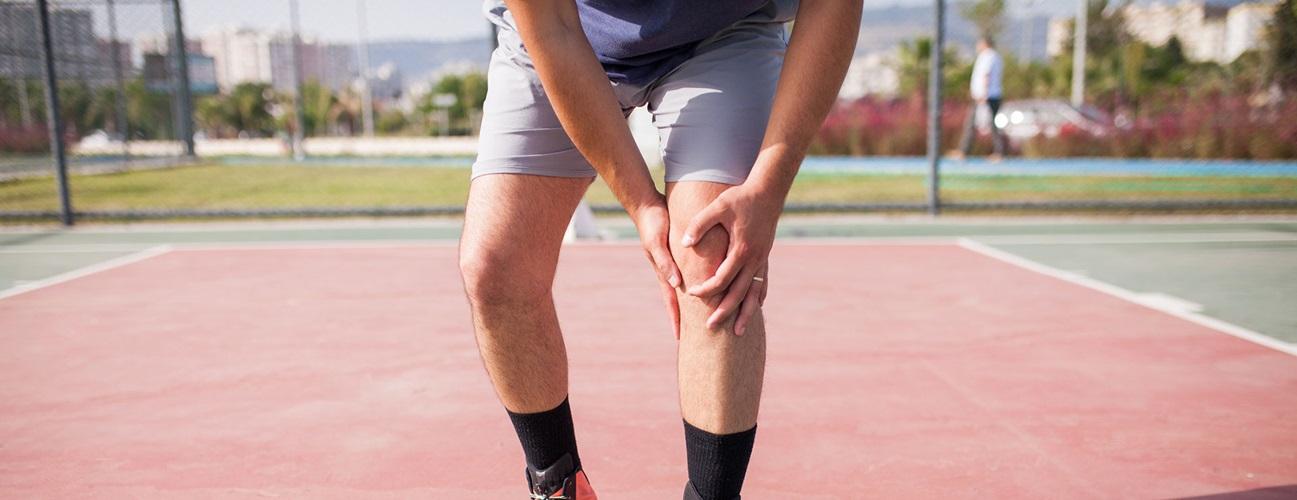
Runner’s knee and jumper’s knee are two common overuse injuries that cause pain in different parts of the knee. Runner’s knee causes pain around or behind the kneecap, often worse with stairs, squatting, or sitting for long periods. Jumper’s knee causes pain just below the kneecap, in the tendon that connects it to the shin. At HealthFirst Chiropractic in Westerville and Pickerington, our doctors help identify which one you have and treat the cause, not just the ache.
What Is Runner’s Knee?
Runner’s knee, known medically as patellofemoral pain syndrome, causes pain around or behind the kneecap. Despite the name, it affects more than just runners.
The pain comes from irritation where the kneecap moves against the thigh bone. When the kneecap does not track smoothly through its groove, the surfaces become irritated and inflamed.
Typical signs include a dull ache around the front of the knee, pain that worsens with stairs, squatting, or kneeling, and discomfort after sitting with the knee bent for a long time. Some people notice a grinding sensation when they bend the knee.
What Is Jumper’s Knee?
Jumper’s knee, or patellar tendinitis, affects the tendon just below the kneecap. This tendon connects the kneecap to the shin bone and takes a lot of load during jumping and landing.
Repeated stress on this tendon causes small tears and inflammation. It is especially common in sports that involve a lot of jumping, like basketball and volleyball, but it can affect anyone who loads the tendon repeatedly.
The main sign is pain and tenderness right at the tendon, just below the kneecap. The pain often worsens with jumping, landing, or climbing stairs, and the tendon may feel tender when you press on it.
How to Tell the Two Apart
The clearest difference is where the pain sits. Locating it usually points you toward the right answer.
Around the Kneecap vs. Below It
Runner’s knee causes pain around or behind the kneecap itself. Jumper’s knee causes pain just below the kneecap, in the tendon.
Pressing gently can help. Tenderness spread around the front of the knee leans toward runner’s knee, while a sharp tender spot right on the tendon below the kneecap points to jumper’s knee.
What Brings on the Pain
Runner’s knee tends to flare with stairs, squatting, and prolonged sitting. Jumper’s knee tends to flare with jumping, landing, and explosive movements.
Thinking about which activities aggravate your knee can help narrow it down. The pattern of pain is a useful clue alongside its location.
What Causes These Knee Injuries
Both conditions come from overuse and repetitive stress rather than a single injury. Doing too much too soon is a common trigger.
Contributing factors include sudden increases in training, muscle imbalances, tight or weak muscles around the knee and hip, and poor movement mechanics. How your hip and foot function affects the knee too, since the knee sits in the middle of that chain.
Because the cause is usually mechanical and repetitive, lasting relief often means addressing the movement patterns behind the injury. Treating only the sore spot tends to lead to it coming back.
Why the Right Diagnosis Matters
Since these injuries affect different structures, care needs to target the correct area. Knowing which condition you have shapes the approach.
Guessing can waste effort on the wrong part of the knee. This is why we start with a proper exam, so treatment is aimed where the problem actually is.
How We Treat Knee Pain at HealthFirst
Our care begins with understanding the injury before treating it. On your first visit, our doctors take a full history and examine your knee, along with your hip and foot, since problems there often contribute to knee pain.
Chiropractic care is not just for the spine. Our doctors treat the extremities, and addressing restrictions in the knee, hip, or ankle can improve how the whole leg moves and takes load.
At our Pickerington office, Dr. Tim Smart brings certifications in exercise physiology and strength conditioning that fit knee and sports injuries well. At our Westerville office, Dr. Ryan Zullo offers Active Release Technique and Graston for soft tissue issues. You can explore our sports and extremity care and how we treat extremity and sports injuries at both locations.
When to Get Your Knee Checked
Minor knee soreness sometimes settles with rest. Pain that lingers, worsens with activity, or keeps returning deserves a proper evaluation.
The sooner the cause is identified, the sooner the right care can begin. Catching it early can also help you avoid compensating in ways that strain the other leg or the hip.
Not sure whether you have runner’s knee or jumper’s knee? Contact HealthFirst Chiropractic in Westerville at 614-890-2740, in Pickerington at 614-861-1333, or reach out online.