Table of Contents
Plantar fasciitis is inflammation of the thick band of tissue that runs along the bottom of your foot, connecting your heel to your toes. The classic sign is sharp heel pain with your first steps in the morning, which often eases as you move but returns after rest or long periods on your feet. At HealthFirst Chiropractic in Westerville and Pickerington, our doctors treat plantar fasciitis with conservative care aimed at calming the inflammation and addressing what caused it.
What Is Plantar Fasciitis?
The plantar fascia is a strong band of tissue that supports the arch of your foot. It acts like a shock absorber every time you take a step.
When that tissue is overloaded or strained, tiny tears and inflammation can develop where it attaches to the heel. That irritation is what causes the familiar stabbing pain.
It is one of the most common causes of heel pain, and it affects active people and less active people alike. The good news is that most cases respond well to conservative care.
Why the First Steps in the Morning Hurt Most
The morning pain is the symptom people describe most often, and there is a clear reason for it. While you sleep, your foot rests in a relaxed position and the plantar fascia tightens overnight.
When you stand up and take your first steps, that tightened tissue stretches suddenly. The stretch pulls on the already irritated attachment point, which produces the sharp pain.
As you walk and the tissue warms up, it loosens and the pain often fades. That relief can be misleading, though, because the underlying problem is still there and tends to flare again after you sit for a while or finish a long day on your feet.
Common Causes and Risk Factors
Plantar fasciitis usually develops from repeated stress rather than a single injury. Several factors can increase the load on the tissue.
Common contributors include spending long hours standing or walking on hard surfaces, a sudden increase in activity or mileage, and footwear that lacks proper support. Foot mechanics play a role too, since flat feet, high arches, and tight calf muscles all change how force travels through the foot.
Understanding your particular risk factors matters, because lasting relief usually means addressing the cause, not just the symptom. Treating the pain without changing what created it often leads to it coming back.
What Actually Helps
Plenty of plantar fasciitis cases improve with the right combination of conservative measures. Here are the approaches that tend to make a real difference.
Stretching and Self-Care
Gentle stretching of the calf and the bottom of the foot can ease tension on the plantar fascia. Doing this before your first steps in the morning often helps reduce that initial jolt of pain.
Rest and activity changes matter too. Backing off the activity that aggravates the foot gives the tissue a chance to calm down.
Supportive Footwear
Shoes with good arch support and cushioning reduce the strain on your heel. Going barefoot on hard floors, on the other hand, tends to make things worse.
Small changes here can add up. Supporting the foot properly throughout the day takes pressure off the irritated tissue.
Cold Laser Therapy
Because plantar fasciitis is driven by inflammation, our cold laser therapy can be a useful tool. The low-level light helps calm inflammation and supports tissue repair, with no drugs or downtime.
It is available at both our Westerville and Pickerington offices. For stubborn heel pain that has not settled with basic self-care, it can help move recovery along.
Chiropractic and Extremity Care
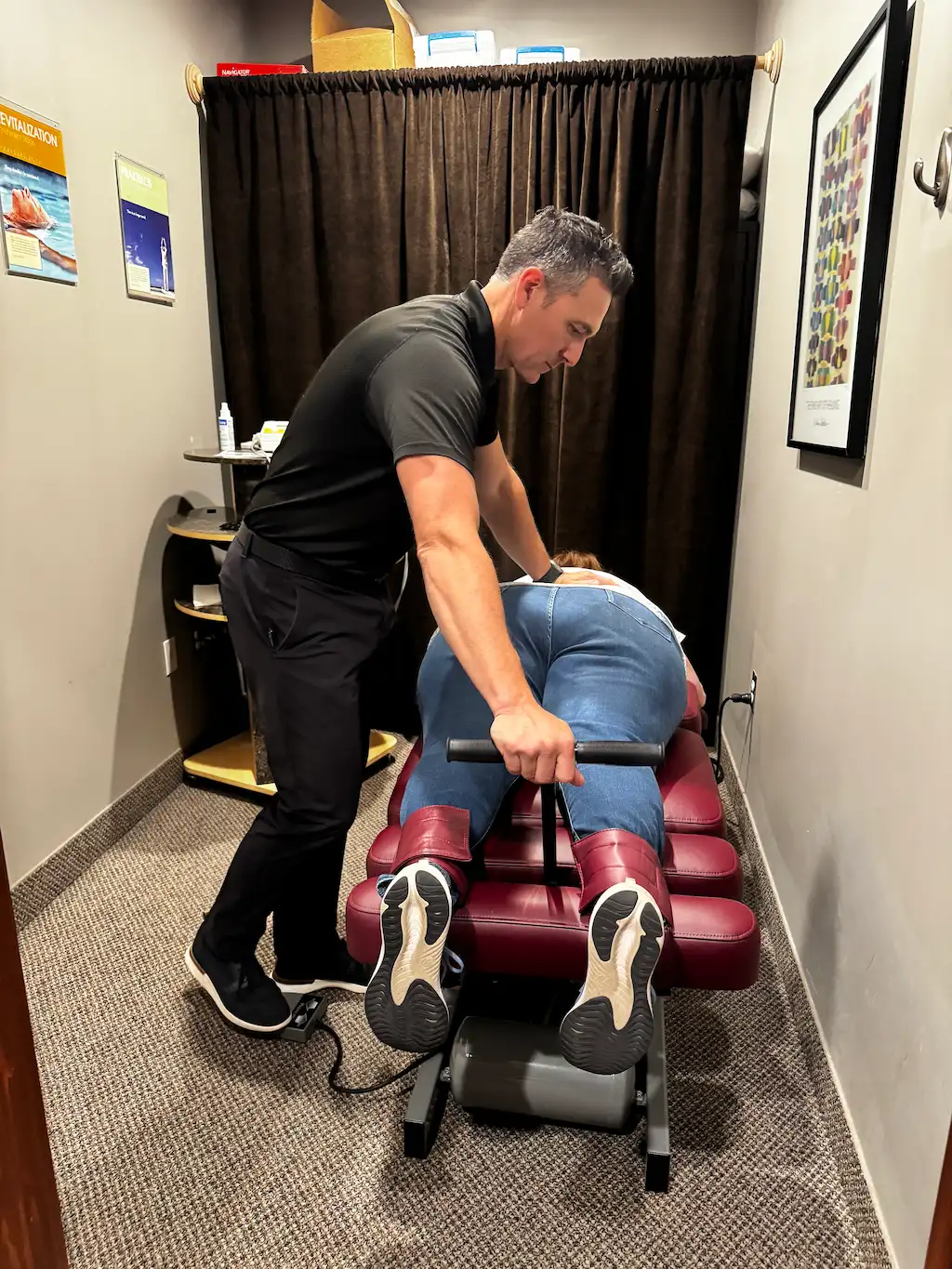
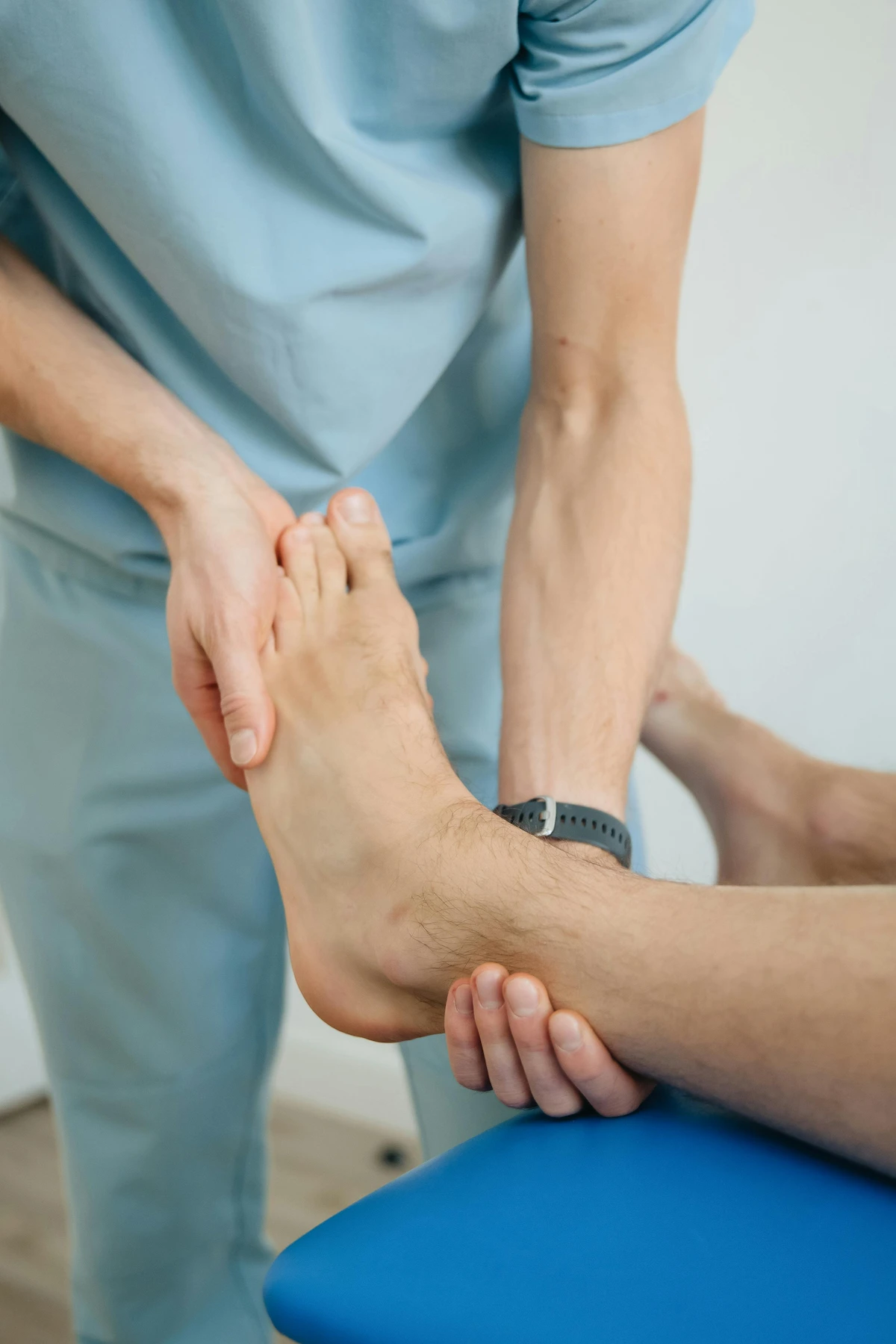
Chiropractic care is not just for the spine. Our doctors also treat the extremities, including the joints of the foot and ankle.
Restricted movement in the foot or ankle can change how load is distributed and keep the plantar fascia under strain. Addressing those mechanics is part of treating the root of the problem rather than only the sore spot.
How We Approach Plantar Fasciitis at HealthFirst
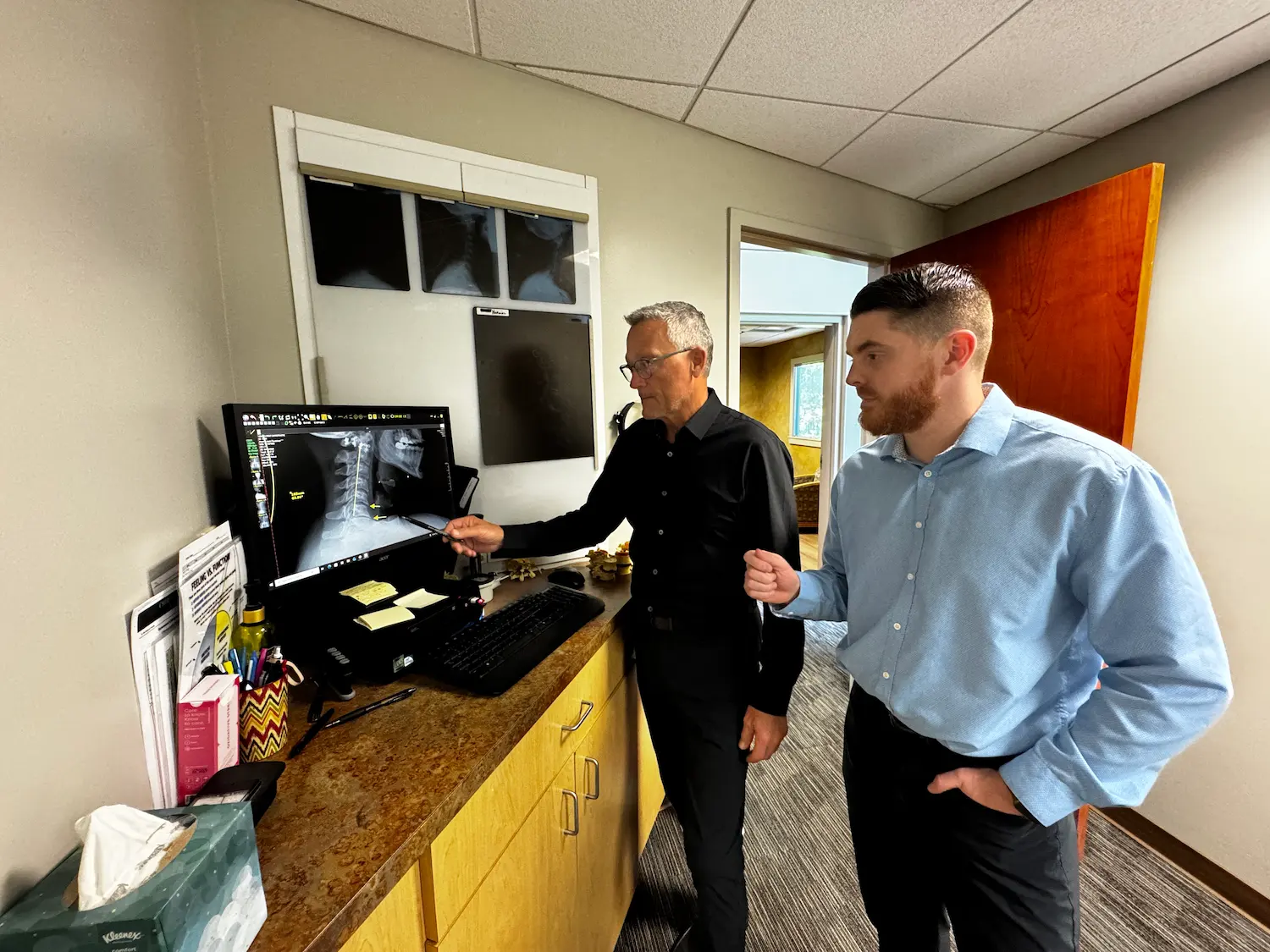
Our care begins with understanding your foot before we treat it. On your first visit, our doctors take a full history and examine your foot, ankle, and gait to see what is contributing to the pain.
On your second visit, your doctor reviews the result of tests and lays out a plan built around your situation. That plan may combine several of the approaches above, depending on what the exam reveals.
We are also honest about expectations. Plantar fasciitis can be stubborn, and recovery takes consistency, but many people find real relief with proper conservative care. You can learn more about how we treat extremity and sports injuries and our overall chiropractic care.
When to Get Your Heel Pain Checked
Occasional heel soreness sometimes settles on its own. Pain that lingers for more than a couple of weeks, keeps you from your normal activities, or returns every morning deserves a proper evaluation.
The sooner the cause is identified, the sooner the right care can begin. Getting checked early can also help you avoid changing your walk in ways that create new problems elsewhere.
Tired of that sharp pain with your first steps each day? Contact HealthFirst Chiropractic in Westerville at 614-890-2740, in Pickerington at 614-861-1333, or reach out online.